
Iran ‘s Fars Province: A Hub of Cultural Heritage and Tourism Growth
Published on
August 12, 2025

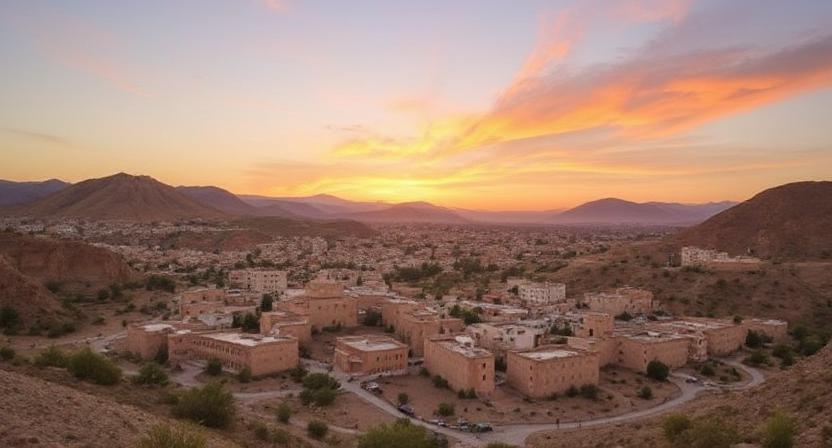
Fars province, formerly referred to as Persis, is fast becoming Iran’s tourism hotbed. The province is the cradle of the Achaemenid Empire and contains legendary places such as Pasargadae, the mausoleum of Cyrus the Great, and Persepolis, Fars being Iran’s most historically important and culturally diverse province. The province is currently witnessing a tourism upsurge, fueled by both overseas and domestic demand for its heritage sites, landscapes, and cultural destinations.
The Ministry of Cultural Heritage, Tourism, and Handicrafts has placed Fars at the forefront of its tourism development efforts, recognizing the potential of the region’s tourism assets to attract visitors and bolster the local economy. As part of this initiative, the province has seen a substantial rise in tourist arrivals, with 7.4 million visits recorded in the last year. Pasargadae and Shiraz continue to attract both history enthusiasts and cultural travelers from across the globe.
Strategic Priorities for Cultural Heritage and Sustainable Tourism
Salehi Amiri, the head of the Ministry of Cultural Heritage, emphasized the importance of balancing the region’s historic preservation with modern tourism development. He outlined a commitment to enhancing Fars province’s tourism infrastructure, including improving connectivity and preserving its cultural landmarks. Fars is also focusing on the promotion of sustainable tourism, ensuring that heritage sites like Pasargadae, Persepolis, and Shiraz’s cultural attractions are preserved while accommodating increasing numbers of tourists.
“We are dedicated to providing the best conditions for tourists and creating a favorable atmosphere for their experience. Our goal is to not only welcome millions of foreign tourists but also to create a sustainable tourism industry that benefits local communities and respects the heritage,” Salehi Amiri said.
Growth Projections: Aiming for 9-10 Million Visitors by 2025
With tourism numbers on the rise, Fars is projected to see even greater growth. According to the Ministry of Tourism’s forecasts, the province is expected to attract 9 to 10 million foreign tourists by 2025, an increase driven by targeted marketing efforts, improved tourism facilities, and regional cooperation.
The ministry has already seen 48% growth in tourism in the month of Farvardin (March-April 2025), a promising indicator of the positive trajectory for foreign tourism in the region. This growth is expected to continue, especially with the increasing international appeal of Iran’s cultural heritage, especially during periods like the Nowruz holidays, when sites like Pasargadae recorded 14,242 visitors.
Pasargadae and Persepolis: Living Landmarks of Iranian Civilization
Pasargadae, the site where Cyrus the Great is buried, and Persepolis, the ceremonial capital of the Achaemenid Empire, continue to be key attractions for tourists seeking to understand the rich cultural history of Iran. These UNESCO World Heritage sites are not only historical treasures but also vital parts of Iran’s identity. The tourism growth in these regions contributes directly to local economies and helps preserve the legacy of the Achaemenid Empire, a symbol of ancient Persian greatness.
Shiraz: The Cultural Heart of Fars Province
Shiraz, the capital of Fars, is known as the city of poetry, nightingales, and gardens. This vibrant city has been a major center of learning throughout history, offering a unique blend of modern culture and ancient heritage. Some of the city’s must-see attractions include the Tomb of Hafez, the Tomb of Sa’di, and Eram Garden, a stunning Persian garden that continues to captivate visitors.
Shiraz is also home to the Atigh Jameh Mosque and several breathtaking historical sites, making it a must-visit for anyone exploring Iran’s cultural heritage. With increased accessibility and improvements to tourist infrastructure, Shiraz is expected to continue attracting both cultural tourists and history enthusiasts from around the world.
A Collaborative Vision: Regional Tourism and Infrastructure Development
Salehi Amiri further emphasized that tourism cooperation with neighboring countries like Iraq, Saudi Arabia, and those in the Caucasus region would play a crucial role in expanding Fars’ tourism market. This cross-border collaboration aligns with Iran’s broader cultural and economic diplomacy, aiming to develop sustainable tourism and economic growth through enhanced tourism networks and regional partnerships.
In addition to the natural and cultural attractions, the regional tourism focus also includes joint marketing initiatives and the promotion of unique local experiences, such as Persian cuisine, traditional crafts, and local festivals. By tapping into regional markets, Fars aims to establish itself as a key player in the broader Middle Eastern tourism landscape.
A Bright Future for Fars Province’s Tourism Industry
The future looks bright for Fars province as it seeks to strengthen its position as a leading destination for cultural tourism in the region. With plans for tourism infrastructure improvements, cultural exchange programs, and the preservation of historical sites, Fars is poised to offer travelers a diverse range of authentic experiences.
By showcasing its heritage, fostering sustainable practices, and creating a welcoming environment for both local and international tourists, Fars will continue to thrive as a premier destination for those seeking to explore the rich cultural tapestry of Iran and the wider Balkans.
Conclusion: Fars Province’s Rising Role in Iran’s Tourism Landscape
Fars province, formerly referred to as Persis, is fast becoming Iran’s tourism hotbed. The province is the cradle of the Achaemenid Empire and contains legendary places such as Pasargadae, the mausoleum of Cyrus the Great, and Persepolis, Fars being Iran’s most historically important and culturally diverse province. The province is currently witnessing a tourism upsurge, fueled by both overseas and domestic demand for its heritage sites, landscapes, and cultural destinations.

link




:max_bytes(150000):strip_icc()/120325-oprah-soc-860665f9054143eeb0dd846dc28fa740.jpg "Oprah-Approved Clothes, Shoes, and Bags Start at on Amazon")
