
Heritage Tourism Impacted as Ghana Closes Five Iconic Coastal Forts for Repairs
Published on
December 20, 2025

Ghana, a country with a rich and moving history, has several historic forts that have become important landmarks on the global heritage map. These forts, many of which played important roles in the transatlantic slave trade, are central to the country’s cultural identity and tourism industry. However, in an important step towards preserving and protecting these irreplaceable sites, five of Ghana’s most famous forts have been closed to the public for immediate maintenance. The closures, which went into effect on December 18, 2025, were announced by the Ghana Museums and Monuments Board (GMMB) to ensure the structures’ long-term preservation.
The Historic Coastal Forts at the Centre of Ghana’s Heritage Tourism
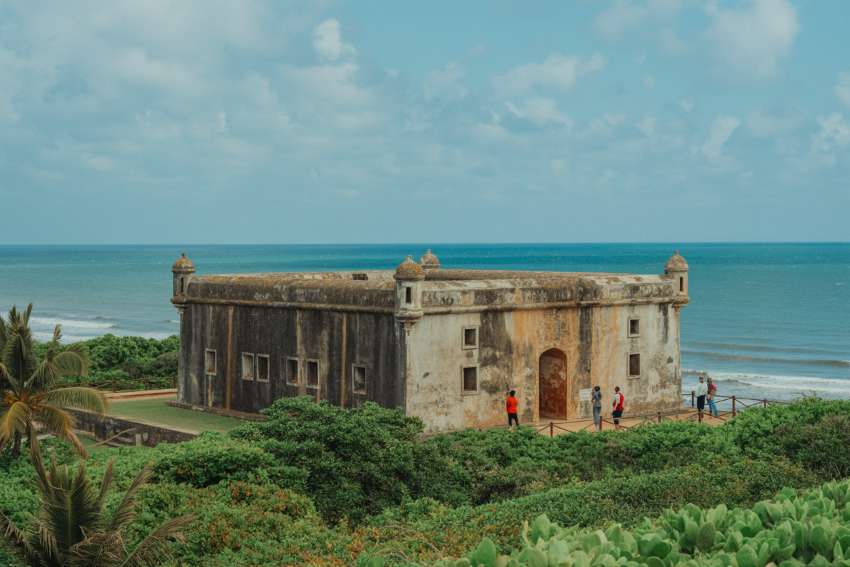
The forts that have been closed for maintenance are not just tourist attractions; they are deeply tied to Ghana’s colonial history, slavery, and the trans-Atlantic trade. Among the affected sites are Fort Apollonia at Beyin in the Western Region, Fort St Anthony in Axim, Fort Orange at Sekondi, James Fort in Jamestown, and Ussher Fort in Usshertown, Accra. Each fort holds historical significance, often serving as a reminder of the painful past of enslavement, while also offering a glimpse into Ghana’s resilience and rich cultural heritage. These forts have become key components of Ghana’s heritage tourism trail, attracting thousands of visitors each year who come to learn about the trans-Atlantic slave trade’s impact on the region.
The Ghanaian government has been promoting these historical sites as part of a larger initiative to boost cultural and heritage tourism, highlighting the nation’s role in the global history of the slave trade. This move to temporarily close these forts is aimed at ensuring their continued preservation for future generations.
Urgency of Maintenance and Safety Checks
The decision to close the forts comes as part of ongoing efforts to address the urgent need for structural maintenance and safety assessments. These centuries-old buildings, which have stood the test of time, are constantly exposed to the harsh coastal weather conditions. The GMMB, which oversees the preservation of Ghana’s material heritage, is undertaking essential conservation work to safeguard the forts’ structural integrity. With the salty sea air and fluctuating weather patterns, these forts require regular attention to prevent further deterioration and ensure their continued safety for both visitors and staff.
The GMMB has assured the public that the closures are necessary to carry out vital work on the buildings’ foundations, walls, and infrastructure. These measures will help to preserve the historical value of the sites while maintaining their ability to withstand the demanding environmental conditions of the coastline.
The Impact on Ghana’s Tourism Industry
The closure of these iconic sites is expected to have a short-term impact on Ghana’s tourism industry, particularly for those visiting the country as part of a heritage trail. The “Castles and Forts” route, which includes these forts, has become a major attraction for international visitors seeking to explore the country’s colonial past. Tourists who have planned trips to these locations, especially those visiting Ghana for the first time, may find their itineraries disrupted due to the temporary closures.
Many tourists, particularly those from countries with historical ties to the trans-Atlantic slave trade, often include these forts as part of their travel experience. The temporary closures may therefore impact Ghana’s efforts to attract heritage and educational tourists. However, it is important to note that while some parts of the “Castles and Forts” trail will be inaccessible for the time being, the rest of the country’s tourism offerings remain available. Ghana is home to many other cultural and natural attractions, from the vibrant city of Accra to the lush landscapes of the Volta Region, which continue to draw travelers from around the globe.
A Commitment to Conservation and Preservation
The Ghana Museums and Monuments Board has reiterated that this decision to temporarily close the forts is a proactive step towards ensuring the long-term conservation of these significant heritage sites. Ghana’s forts, including those located in Cape Coast and Elmina, are recognized globally for their historical importance. Many of them are UNESCO World Heritage Sites, reflecting their global significance in terms of the history of the slave trade and the African diaspora.
The Board has expressed its commitment to continuing with the preservation work that began years ago, alongside safety and structural checks. These efforts aim not only to maintain the historical value of the forts but also to enhance the visitor experience once the renovations are completed. By undertaking necessary maintenance now, the GMMB hopes to guarantee that these landmarks remain secure and accessible to future generations.
Ghana’s Heritage Sites and Their Economic Potential
The preservation of these forts is not only a cultural and historical necessity but also a vital part of Ghana’s tourism strategy. Heritage tourism has become an important sector for the country’s economy, with international tourists flocking to the coast to witness firsthand the remnants of the trans-Atlantic slave trade. Ghana’s investment in these sites, coupled with efforts to improve infrastructure around them, highlights the country’s recognition of the economic potential of its heritage sector.
While the maintenance works may cause temporary disruptions, the GMMB’s initiatives are aimed at revitalizing the cultural tourism experience in the long run. Ghana’s growing tourism industry relies on the rich stories these forts hold, and maintaining the integrity of these structures ensures that they continue to be a draw for visitors worldwide.
A Necessary Step for the Future
The temporary closure of Ghana’s historic coastal forts is an important and strategic step towards ensuring their preservation for future generations. While the temporary disruption to tourism is unfortunate, the long-term benefits of preserving these heritage sites are immeasurable. Ghana’s forts, such as Fort Apollonia, Fort St Anthony, and James Fort, are not only historical landmarks but also symbols of resilience and remembrance for the millions affected by the trans-Atlantic slave trade. By investing in their preservation, Ghana sends a message about the importance of protecting its cultural heritage and ensuring that these historic sites continue to educate and inspire for years to come.
Alternative cultural and natural attractions are readily available for those planning a future visit to Ghana’s forts. As the maintenance work continues, the GMMB is committed to keeping the public informed and ensuring that Ghana’s heritage is strong, secure, and accessible to future generations.

link




:max_bytes(150000):strip_icc()/120325-oprah-soc-860665f9054143eeb0dd846dc28fa740.jpg "Oprah-Approved Clothes, Shoes, and Bags Start at on Amazon")
