
Quanzhou Combines Ancient Heritage and Modern Tourism: How the City Is Protecting Its Past While Creating New Opportunities for Visitors
Published on
October 29, 2025

Quanzhou, a historic port city located in the southeastern province of Fujian, China, is blending ancient heritage with modern tourism to create new avenues for development. Renowned for its rich cultural legacy, Quanzhou is home to 22 UNESCO World Heritage sites, making it a treasure trove of history and tradition. The city has become a focal point for efforts to preserve and revitalize its historic sites, ensuring that the cultural heritage remains intact while simultaneously opening up new opportunities for the tourism industry.
As one of the most significant ports along the ancient Maritime Silk Road, Quanzhou has long been a hub for trade, culture, and innovation. Today, the city is leveraging its deep historical roots to create a unique blend of cultural tourism, offering visitors an immersive experience that combines ancient sites with modern storytelling and technology. This initiative is part of a broader effort to protect Quanzhou’s cultural heritage while fostering sustainable economic development through tourism.
Key Aspects of Quanzhou’s Revitalization Efforts:
- UNESCO World Heritage Sites: Quanzhou is home to 22 sites that have earned UNESCO recognition, making it a city of global cultural significance.
- Micro-Renovation Projects: Local regulations introduced in 2022 aim to repair and preserve historical sites while maintaining their original appearance and integrity.
- Innovative Tourism Models: The city has launched new tourism experiences that integrate local customs, folklore, cuisine, and even World Heritage performances to attract tourists.
- Collaboration with Archaeological and Cultural Institutions: Quanzhou is working closely with national institutions to ensure the effective protection of its heritage, including the establishment of dedicated research and preservation centers.
Protecting and Revitalizing Quanzhou’s Heritage
Quanzhou’s significance as a cultural and historical hub is reflected in the city’s role as a major port on the ancient Maritime Silk Road, a vital trading route that connected China with the world. Today, the city is actively working to preserve its heritage through a combination of modern techniques and traditional methods. The local government has introduced regulations designed to protect the integrity of historical sites while promoting their integration into the tourism sector. These regulations include micro-renovation projects that allow for the careful restoration of key cultural landmarks without compromising their original character.
Furthermore, Quanzhou’s rich history is being preserved through innovative approaches that combine cultural exhibitions, immersive experiences, and live performances. By showcasing the city’s heritage in dynamic and engaging ways, the local government has successfully revitalized interest in its ancient monuments, attracting both domestic and international visitors.
Quanzhou’s Unique Role in the Maritime Silk Road
As one of the key ports along the Maritime Silk Road, Quanzhou played a vital role in facilitating the exchange of goods, ideas, and cultures between the East and West. The city’s historical significance is still visible in its architecture, monuments, and ancient streets, which serve as a living testament to its past. Visitors can explore sites like the Quanzhou Maritime Museum, which chronicles the city’s storied past as a center of trade, as well as the Kaiyuan Temple, which dates back to the Tang Dynasty and showcases the city’s deep Buddhist and cultural roots.
Quanzhou’s integration into the Maritime Silk Road is a key component of its heritage preservation efforts. The city has worked to ensure that the narratives of the Silk Road and its influence on global history are highlighted in its tourism offerings. By linking the city’s cultural past with its modern-day revitalization, Quanzhou is positioning itself as a key player in China’s tourism and heritage sector.
New Tourism Models: Blending Culture with Modern Experiences
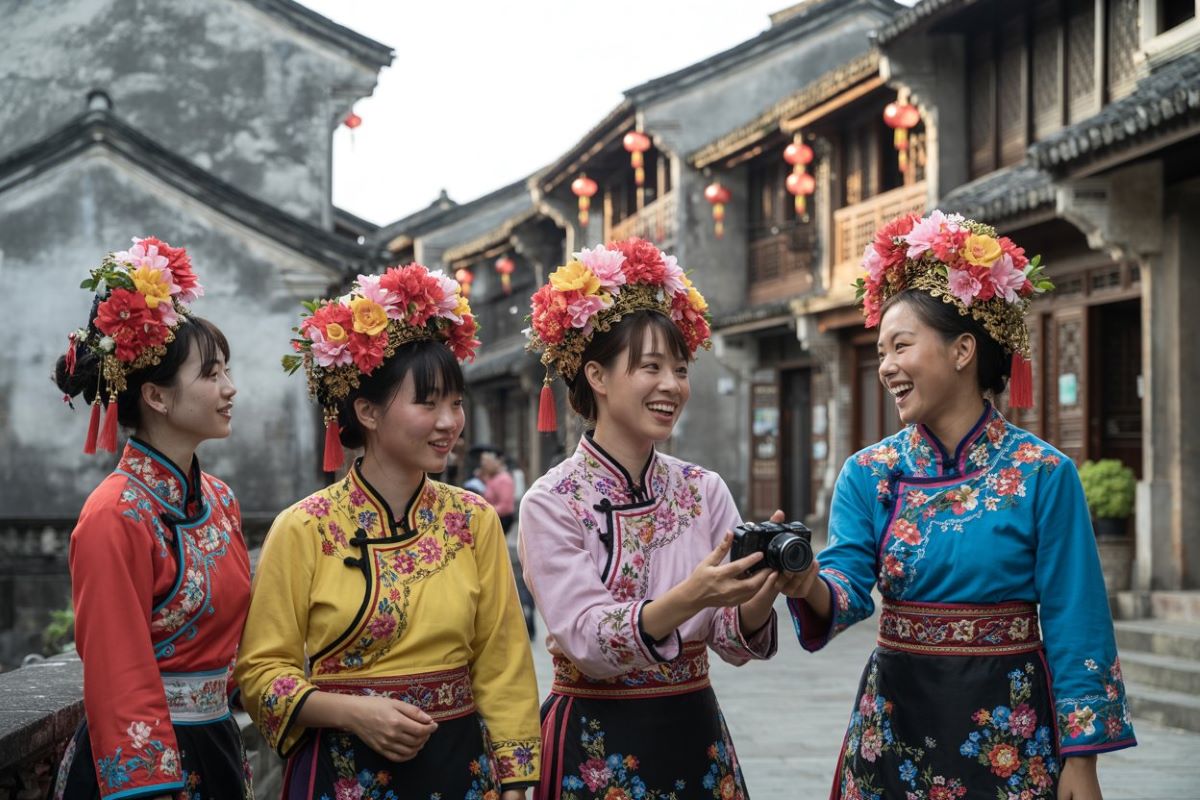
To enhance its appeal, Quanzhou has embraced modern tourism models that seamlessly blend its rich cultural heritage with contemporary experiences. These models emphasize local customs, folklore, and gastronomy, inviting visitors to experience the city not just as a historical site, but as a living cultural landscape. One notable initiative is the introduction of World Heritage performances that bring the city’s history to life through interactive exhibits and theatrical storytelling.
In addition to these cultural experiences, the city has developed unique culinary tourism offerings, showcasing Fujian’s distinct cuisine. Local dishes such as Fujian-style seafood, rich soups, and traditional snacks are being marketed to tourists seeking a full sensory experience of Quanzhou’s heritage. This focus on gastronomy adds another layer to the city’s tourism offerings, attracting food lovers and cultural enthusiasts alike.
Government Initiatives for Heritage Preservation
The local government has taken a proactive approach to the preservation of Quanzhou’s cultural treasures, not only through legislation but also by creating dedicated institutions to protect the city’s heritage. In 2022, Quanzhou established an archaeological research institute and a heritage protection center in partnership with national cultural institutions. These efforts ensure that all aspects of the city’s heritage, from architecture to intangible cultural practices, are safeguarded for future generations.
In addition to these research centers, Quanzhou has implemented a long-term heritage management mechanism, which includes regular monitoring, maintenance, and restoration of cultural sites. This sustainable approach guarantees that Quanzhou’s historical significance will continue to be accessible to future generations, while also contributing to the city’s economic growth through tourism.
The Future of Quanzhou’s Tourism Industry
Looking ahead, Quanzhou’s revitalization efforts are expected to have a lasting impact on its tourism industry. As the city continues to balance heritage preservation with modern development, it is poised to become a leading destination for cultural tourism in China. The city’s unique blend of history, culture, and innovation provides a model for other cities seeking to protect their heritage while simultaneously fostering economic growth.
In the coming years, Quanzhou is expected to attract even more tourists, both from China and abroad. Its rich history as a key port on the Maritime Silk Road, combined with its efforts to integrate modern tourism models, positions the city as a must-visit destination for those interested in exploring China’s cultural heritage.
Key Features of Quanzhou’s Revitalization:
- Micro-Renovation Efforts: Ongoing projects to restore and preserve UNESCO-listed sites.
- Cultural Tourism Integration: New tourism models incorporating local customs, folklore, and cuisine.
- Collaboration with National Institutions: Partnerships with research centers for effective heritage management.
- UNESCO World Heritage Sites: Quanzhou’s 22 UNESCO-listed sites remain the heart of its tourism strategy.
- Modern Experiences: A fusion of traditional heritage and modern tourism experiences, such as World Heritage performances.
For visitors eager to explore Quanzhou, the city offers a wealth of historical sites, cultural experiences, and the opportunity to witness the revitalization of one of China’s most important historical cities. Whether you’re strolling through ancient streets, enjoying local cuisine, or learning about the city’s role in the Maritime Silk Road, Quanzhou promises an unforgettable journey into China’s rich cultural past.
Visiting Quanzhou: Key Attractions and Tips
- Quanzhou Maritime Museum: A showcase of the city’s importance along the Maritime Silk Road.
- Kaiyuan Temple: A Buddhist temple dating back to the Tang Dynasty.
- Xunpu Village: A traditional village that reflects the local culture and customs.
- Local Markets and Food: Explore the vibrant local markets and try Fujian’s famous dishes.
By carefully blending heritage preservation with innovative tourism models, Quanzhou is not only protecting its cultural legacy but also paving the way for a vibrant, sustainable tourism industry that will thrive for years to come.
Conclusion: Quanzhou’s ability to integrate its ancient history with modern tourism experiences is helping shape the future of cultural tourism in China. As the city continues its efforts to protect and revitalize its heritage, it is sure to remain a destination of global significance.

link




:max_bytes(150000):strip_icc()/120325-oprah-soc-860665f9054143eeb0dd846dc28fa740.jpg "Oprah-Approved Clothes, Shoes, and Bags Start at on Amazon")
