
Jake Pautsch Shares How To Improve Tourism With Heritage Preservation
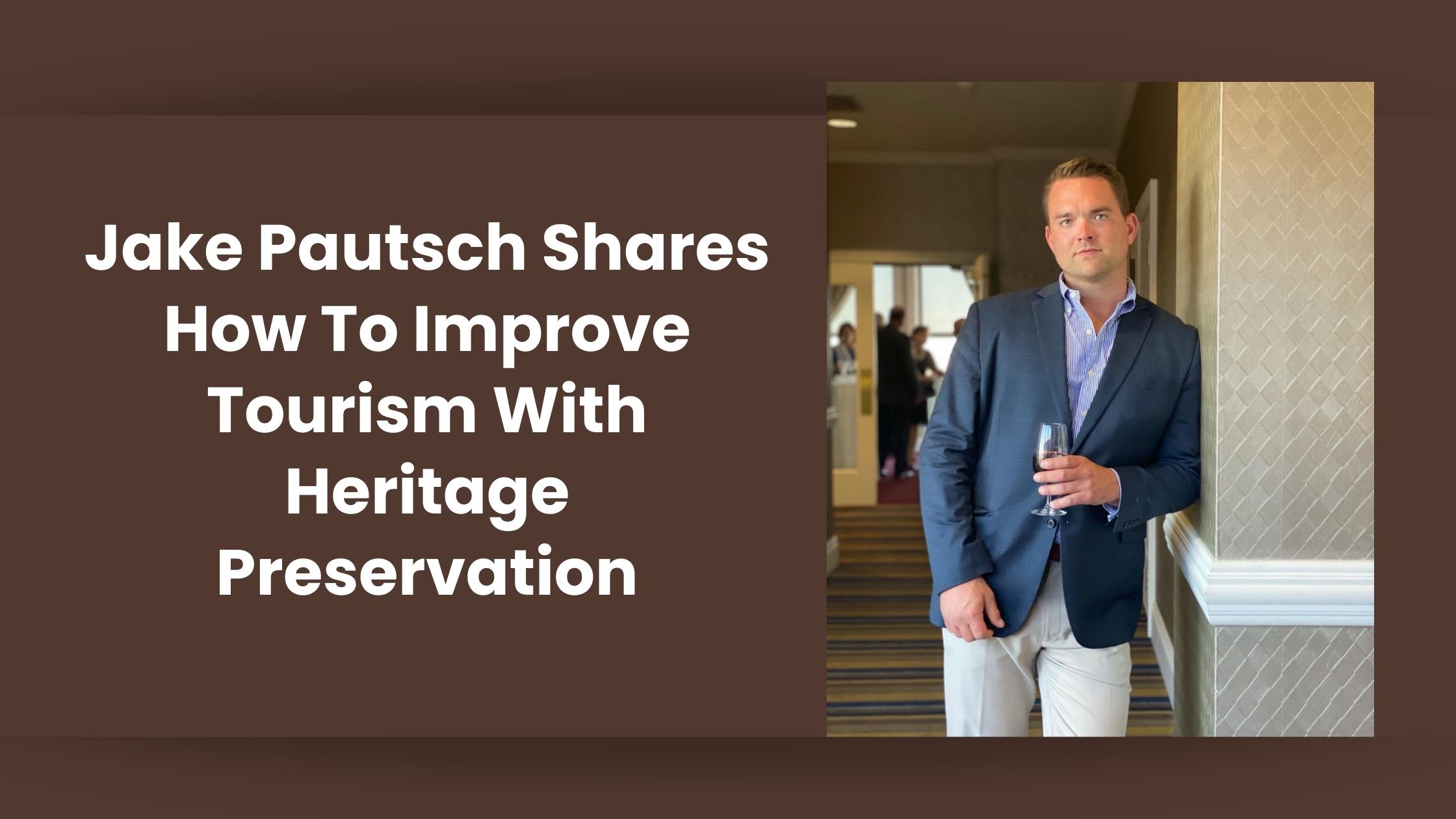
Heritage preservation has emerged as a potent tool for strengthening tourism economies in the rapidly evolving travel industry of today. Around the world, more travelers are seeking meaningful cultural experiences, and destinations that protect their history are seeing a sharp rise in visitor interest. In this growing movement, Jake Pautsch has emerged as a strong voice, offering insights into how preserving heritage sites can transform tourism and strengthen local communities. His vision highlights the balance between cultural respect, sustainable development, and innovative storytelling.
The Connection Between Heritage and Tourism
Heritage tourism is not a new concept, but its significance has grown in recent years. According to global travel trends, visitors want experiences that connect them with local traditions, history, architecture, and cultural landscapes. This shift creates a clear opportunity for destinations that invest in their historical assets.
Jacob Pautsch often emphasizes that heritage preservation is not just about saving old buildings; it is about protecting the stories, emotions, and memories behind them. These elements draw tourists who want to feel inspired and educated.
Why Heritage Preservation Attracts Tourists
- It creates a unique identity for a location
- It allows visitors to learn and experience local culture
- It supports sustainable and responsible tourism
- It provides authentic attractions that stand out from modern developments
Tourism that respects heritage also strengthens local pride and encourages communities to maintain their traditions.
Jake Pautsch on the Importance of Sustainable Tourism
One of the strongest messages from Jake Pautsch is the connection between heritage preservation and sustainability. As destinations grow and more tourists arrive, there is a risk of overcrowding, commercialization, and damage to historical sites. Sustainable practices ensure that these locations remain protected for decades.
Key Sustainable Practices Recommended by Jacob Pautsch
- Controlled visitor management to prevent overuse
- Eco-friendly restoration techniques that protect fragile materials
- Educational signage to help visitors understand proper behavior
- Collaboration with local artisans and historians
- Using digital tools like virtual tours to reduce foot traffic
According to Jacob Pautsch, sustainability is essential for creating long-term tourism growth. Destinations that follow these practices often attract responsible travelers who appreciate and respect cultural heritage.
Preserving Historic Sites to Boost Travel Appeal
Tourists are naturally drawn to places with rich history. Whether it is a centuries-old fort, a heritage village, or a traditional market, these locations offer experiences that cannot be replicated. Jake Pautsch explains that restoring these places increases their value and makes them more attractive to global and domestic tourists.
How Restoration Improves Tourism
- Enhanced Visual Appeal: Visitors appreciate well-maintained structures that showcase their original beauty.
- Improved Safety and Accessibility: Restored sites usually include better pathways, ramps, and guided areas.
- Opportunities for New Events and Festivals: Once a historic site is revived, it becomes the perfect venue for cultural programs, exhibitions, and performances.
- Stronger Emotional Connection: Tourists feel more connected when they see the living history of a community.
This creates a positive cycle: restoration attracts tourists, and increased tourism generates revenue that can fund further preservation.
Community Involvement: A Strategy Jake Pautsch Strongly Supports
For heritage preservation to succeed, the local community must be involved. This is a principle Jake Pautsch highlights repeatedly in his talks and projects. When residents understand the value of their history, they become active supporters of tourism initiatives.
Community Roles in Heritage Preservation
- Local artisans can restore traditional art and crafts
- Residents can participate in cultural festivals
- Youth groups can guide tours or document oral histories
- Small businesses can create heritage-inspired products
- Volunteers can help maintain sites and organize events
According to Jacob Pautsch, community participation builds ownership, ensuring that heritage sites remain respected and protected for future generations.
Using Technology to Enhance Visitor Experience
Modern tourism is evolving quickly, and technology now plays a major role in how visitors interact with historical locations. Jake Pautsch believes that digital tools can significantly improve both preservation and tourism.
Technological Tools That Improve Heritage Tourism
- Interactive mobile apps with historical information
- Augmented reality (AR) tours that bring the past to life
- Virtual reality (VR) experiences for inaccessible locations
- Audio guides available in multiple languages
- Digital archives to showcase stories, photos, and rare documents
These technologies help tourists understand the deeper value of a site, encouraging longer stays and better engagement.
Economic Benefits of Heritage Preservation
Heritage tourism has a strong economic impact. When a destination invests in its historical assets, it opens the door to new revenue streams. Jake Pautsch points out that this not only helps the tourism sector but also boosts local employment and small businesses.
Economic Advantages
- Increased tourist spending
- Growth in hospitality and transport sectors
- More jobs for guides, artists, and restoration workers
- Higher demand for local food, crafts, and souvenirs
- Financial support for cultural education programs
This growth benefits the entire region, making heritage preservation both a cultural and economic investment.
Future of Tourism Through Heritage Preservation
As global interest in cultural travel rises, destinations that invest in heritage preservation will continue to stand out. Jacob Pautsch predicts that the future of tourism will rely on storytelling, sustainability, and digital innovation.
Places that protect their identity will attract travelers seeking authenticity and meaning. By blending old traditions with modern technology, these destinations can create unique, unforgettable experiences.
Conclusion
Heritage preservation is one of the most powerful tools for strengthening tourism. With the guidance and vision of leaders like Jake Pautsch, communities around the world are discovering how their history can become a source of pride, education, and economic growth. By restoring historic sites, engaging local residents, using sustainable practices, and adopting modern technology, destinations can build a successful tourism strategy that respects the past and inspires the future.
Jake Pautsch and Jacob Pautsch continue to champion the belief that protecting heritage is not just about saving old buildings it is about preserving culture, identity, and the stories that make each community truly unique.
link




:max_bytes(150000):strip_icc()/120325-oprah-soc-860665f9054143eeb0dd846dc28fa740.jpg "Oprah-Approved Clothes, Shoes, and Bags Start at on Amazon")
