
Hazaveh Village in Iran Set to Become a New Global Tourism Destination with its Cultural Heritage and Eco-tourism
Published on
October 23, 2025

Hazaveh, a romantic village in Iran’s Markazi Province, is set to take on a leading role in international tourism. With its distinct mix of history, cultural heritage, and agricultural tourism, Hazaveh is slowly but surely making a name as a tourism destination. Famous for its grape orchards, syrup manufacturing processes, and the birthplace of Amir Kabir, Hazaveh is capturing more and more domestic and international tourists who are looking for a more profound and unadulterated travel experience in Iran.
The tourism policy in the village is founded on maintaining its historical character and cultural diversity, providing travelers with an opportunity to participate in special eco-tourism activities. Sustaining its focus on sustainability, local culture, and community engagement, Hazaveh is establishing itself as an example of rural sustainable tourism for rural Iran.
Hazaveh’s Role in Promoting Cultural Heritage and Historical Tourism
A central aspect of Hazaveh’s tourism appeal is its cultural and historical significance. The village is the birthplace of Amir Kabir, one of Iran’s most celebrated historical figures, known for his reforms and administrative contributions during the Qajar dynasty. Amir Kabir’s historical house is one of Hazaveh’s most important attractions, drawing visitors interested in learning more about this influential figure in Iranian history.
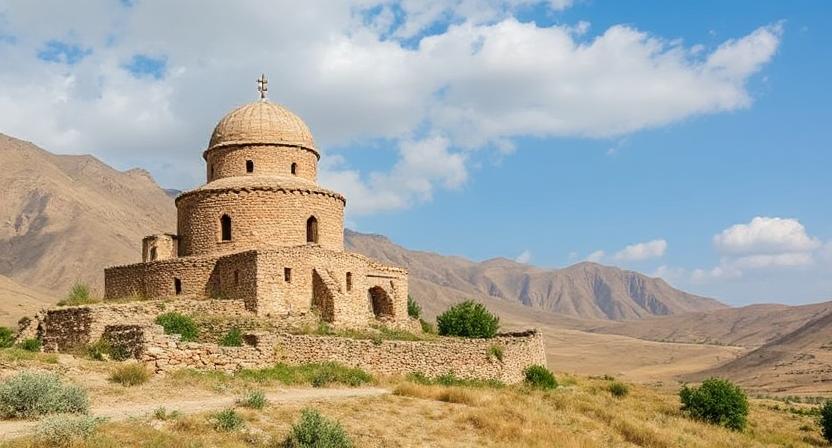
Visitors to Hazaveh can explore the historical house of Amir Kabir, immersing themselves in the legacy of this national hero. In addition to this, the village’s traditional architecture and authentic historical texture offer tourists a glimpse into rural life as it has evolved over centuries. Hazaveh’s charm lies in its ability to preserve its cultural roots, offering an unfiltered view of Iranian rural heritage in contrast to the more modernized urban centers.
Hazaveh’s Unique Agricultural Tourism: The Grape and Syrup Tradition
One of Hazaveh’s most notable features is its grape cultivation and grape syrup production. The village’s high-quality grape syrup has earned a reputation as a national brand, attracting both tourists and food enthusiasts. Hazaveh’s syrup-making process is a traditional technique passed down through generations, and it is an integral part of the local economy and culture. This unique product has not only gained recognition within Iran but also piqued the interest of foreign tourists.
The Grape and Syrup Festival, held annually in Hazaveh, has become one of the key tourism events in the region. The festival, which is registered in the National Festival Calendar of Iran’s Ministry of Cultural Heritage, celebrates the grape harvest and showcases the traditional syrup-making process. The event attracts visitors from all over, offering them a chance to taste and experience this authentic agricultural product while participating in local traditions.
Ecotourism and Sustainable Travel in Hazaveh: Preserving the Village’s Natural Beauty
Another essential feature of Hazaveh’s tourism development is its commitment to eco-tourism. The village is located in an area rich with natural beauty, from its lush vineyards to the surrounding rural landscapes. Eco-tourism in Hazaveh offers visitors the chance to explore untouched natural environments while supporting sustainable tourism practices that preserve the area’s ecological balance.
By promoting eco-friendly accommodations and outdoor activities such as hiking and birdwatching, Hazaveh is fostering a sustainable tourism model that minimizes environmental impact. Visitors can engage in low-impact activities that allow them to connect with nature without compromising its long-term preservation. As environmentally conscious travel continues to rise in popularity, Hazaveh is well-positioned to attract eco-tourists seeking a more responsible travel experience.
Celebrating Local Rituals: Hazaveh’s Cultural Events and Festivals
Hazaveh is also known for its local rituals and festivals that provide visitors with a deeper understanding of Iranian culture and traditions. Events such as the Muharram mourning rituals and the anniversary of Amir Kabir’s appointment as chancellor of Iran are integral to the village’s cultural identity. These festivals allow tourists to witness authentic local customs and participate in celebrations that highlight the spiritual and cultural life of the region.
These cultural events also serve as a platform to promote cultural tourism, where visitors can learn about the heritage, history, and lifestyles of the people in Markazi Province. The combination of spiritual and festive tourism offers visitors a unique opportunity to experience the rich traditions of Hazaveh in a way that is deeply connected to the community’s daily life.
Local Communities and the Economic Impact of Tourism
The development of Hazaveh as a tourism destination brings significant economic benefits to the local community. Tourism creates new job opportunities, from guides and artisans to hospitality workers and agricultural producers. It also encourages the preservation of local traditions and the promotion of sustainable farming practices in the region. Tourism revenue generated through events like the Grape and Syrup Festival can help local farmers and businesses thrive, providing them with a new source of income while preserving the village’s authentic charm.
The growth of Hazaveh’s tourism is also likely to inspire neighboring villages to invest in tourism infrastructure and explore sustainable practices that benefit the broader region. As Hazaveh’s success continues to attract tourists, its model for sustainable development and cultural preservation could serve as an inspiration for other parts of Markazi Province and beyond.
Hazaveh’s Vision for Global Tourism: A Sustainable Future
Hazaveh’s efforts to position itself as a global tourism destination represent a new phase in Markazi Province’s tourism strategy. By showcasing local traditions, eco-tourism, and agriculture-based tourism, Hazaveh has the potential to attract international visitors interested in sustainable travel and cultural exploration. With a strong emphasis on community involvement and cultural preservation, Hazaveh is set to become a model for responsible tourism that benefits both travelers and local residents.
Hazaveh – A Model for Cultural and Sustainable Tourism in Iran
The increasing popularity of Hazaveh village as a primary tourist attraction highlights the significance of protecting cultural heritage alongside adopting sustainable tourism measures. With its strong historical background, agricultural heritage, and peculiar local traditions, Hazaveh presents a diverse travel experience for individuals looking to discover Iran’s rural appeal. With ongoing investment in infrastructure, community engagement, and tourism promotion, Hazaveh is set to be a world tourism brand, providing an authentic and sustainable travel experience that entices tourists from all over the globe.

link




:max_bytes(150000):strip_icc()/120325-oprah-soc-860665f9054143eeb0dd846dc28fa740.jpg "Oprah-Approved Clothes, Shoes, and Bags Start at on Amazon")
