
Greece Promotes their Commonwealth War Cemeteries as a New Historical Tourism Landmarks, Strengthening its Global Connections and Preserving the World War Memories
Published on
October 17, 2025

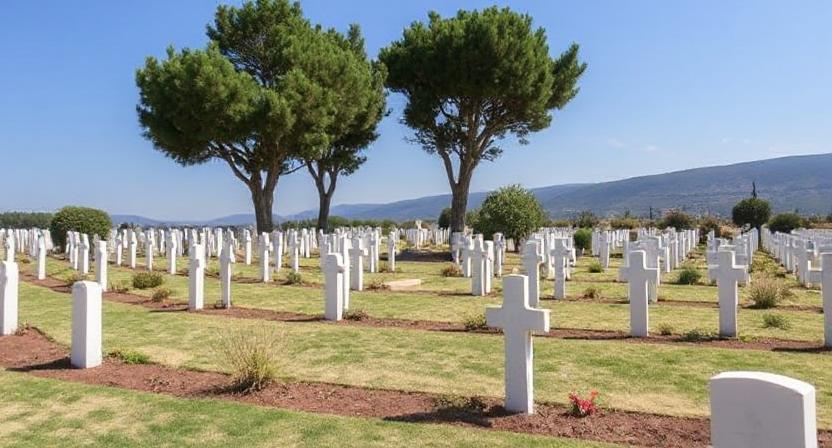
In line with its continued attempts to promote and diversify its tourism industry, the Greek Ministry of Tourism is now looking toward the Commonwealth War Cemeteries that are spread throughout the country. These cemeteries, which are dedicated to the soldiers who died during the two World Wars, are not only places of tribute but are being increasingly sought out for their heritage tourism potential. Placing these cemeteries prominently as focal points of Greece’s overall historical and thematic tourism planning, the government hopes to entice global visitors, promote cultural exchange, and ensure the memory of those who lost their lives during the wars.
Greece’s 25 Commonwealth War Cemeteries: Symbols of Shared History
With 25 Commonwealth War Cemeteries scattered across the Greek mainland and islands, these sites serve as enduring symbols of the country’s role in the World Wars. They commemorate approximately 18,000 servicemen from various nations, including 6,000 soldiers whose resting places remain unknown, who are honored at four dedicated memorials. The cemeteries are distributed across several strategic regions in Greece, with Athens, Chania, and Thessaloniki being home to some of the most significant memorial sites. These cemeteries stand as lasting tributes to the global sacrifice made during the wars, creating a strong sense of remembrance, reconciliation, and shared values that extend across borders.
Through the Commonwealth War Graves Commission (CWGC), established during World War I, these cemeteries are meticulously maintained to ensure their preservation for future generations. CWGC has long emphasized the importance of these sites, both as memorials to the fallen and as cultural landmarks. Their global recognition as places of historical significance draws visitors from across the world, particularly from Commonwealth nations like Canada, Australia, New Zealand, South Africa, and India.
Minister Olga Kefalogianni’s Commitment to Thematic Tourism
During a recent discussion with senior representatives from the CWGC and the British Embassy in Athens, Greek Tourism Minister Olga Kefalogianni expressed the ministry’s full support for promoting the Commonwealth War Cemeteries as integral components of Greece’s thematic tourism strategy. The minister emphasized the cemeteries’ potential to attract visitors who seek a deeper understanding of historical events and the shared human experience during times of conflict.
Minister Kefalogianni highlighted the significance of these cemeteries as not only sites of memorialization but also as avenues for international dialogue and cultural exchange. She emphasized Greece’s dedication to connecting the past and present through tourism, allowing visitors to reflect on the global impact of the wars while also learning about Greece’s own role in these monumental chapters of history. The minister affirmed the ministry’s commitment to enhancing the visibility and accessibility of these cemeteries, ensuring they are recognized as vital attractions within Greece’s tourism portfolio.
Phaleron War Cemetery: A Key Focus in Greece’s Tourism Strategy
Among the Commonwealth War Cemeteries, the Phaleron War Cemetery in Athens is particularly significant. As one of the most visited sites in Greece, it holds the remains of more than 2,000 Commonwealth servicemen who died during both World Wars. This cemetery is particularly notable for its proximity to the Greek capital, making it an important destination for visitors interested in both history and cultural exploration.
Minister Kefalogianni highlighted the importance of enhancing the Phaleron War Cemetery’s visibility by partnering with regional authorities, local institutions, and cultural organizations, such as the War Museum of Athens. This collaboration aims to promote the cemetery as not just a site of remembrance but also as a key part of Athens’ cultural tourism circuit. The goal is to create a seamless experience for visitors by integrating the cemetery with other historical and cultural landmarks in Athens, allowing tourists to immerse themselves in the rich history of the city.
In addition, the Greek Tourism Ministry has been exploring ways to offer guided tours and interactive experiences at the cemetery, providing visitors with a deeper understanding of the historical significance of the site. By creating a more engaging experience, the ministry hopes to attract a broader range of tourists, including those with a keen interest in military history, heritage preservation, and international relations.
Expanding the Network of Emblematic Cemeteries Across Greece
The discussions also focused on extending the promotion of other significant Commonwealth cemeteries, such as those in Chania’s Souda Bay and Thessaloniki, both of which hold great historical value. Souda Bay, located on the island of Crete, is home to another major cemetery, which commemorates thousands of Commonwealth soldiers who fought during the Battle of Crete in 1941. Thessaloniki, a city rich in both Byzantine and Ottoman history, holds its own Commonwealth cemetery, which has become a major historical and cultural tourism site.
These cemeteries, along with Phaleron, are part of a broader plan to create a heritage tourism network that spans Greece. By linking these cemeteries to other historical and cultural sites across the country, Greece hopes to create a thematic tourism route that will enhance the experience for visitors interested in learning about the global impact of the two World Wars and the shared sacrifice made by various nations. The cemeteries’ integration into this wider tourism framework will allow Greece to leverage its rich history and cultural diversity to offer a comprehensive and immersive experience for travelers.
Promoting International Awareness of War Cemeteries
At the heart of the discussions between Greek Tourism Minister Olga Kefalogianni, Xavier Puppinck (CWGC’s UK area director), and Matthew Lodge (British Ambassador to Greece), was the recognition that the Commonwealth War Cemeteries in Greece have immense potential for global tourism. Representatives noted that countries such as Canada, Australia, South Africa, India, and New Zealand—all of which have historical connections to the Commonwealth forces—show significant interest in visiting these sites.
Raising global awareness of these cemeteries is key to the success of this tourism initiative. The ministry has been working closely with the British Embassy and CWGC to ensure these sites are not only preserved but also promoted as major tourism attractions. This global promotion will involve digital campaigns, international partnerships, and the development of targeted marketing strategies aimed at encouraging travelers from Commonwealth countries to visit Greece and experience these historical sites.
Connecting Heritage Preservation with Sustainable Tourism
Greece’s commitment to promoting the Commonwealth War Cemeteries is part of a broader push to enhance sustainable tourism across the country. The Greek government recognizes the importance of heritage preservation in maintaining Greece’s national identity while simultaneously driving economic growth through tourism. By incorporating the cemeteries into Greece’s sustainable tourism development framework, the country is striving to balance the demands of tourism with the need to protect and preserve its cultural and historical landmarks for future generations.
A Step Forward in Greece’s Thematic Tourism Strategy
The emphasis on marketing the Commonwealth War Cemeteries in Greece aligns with the nation’s overall tourism plan to celebrate its rich cultural heritage and establish itself as a front-runner in historical tourism. Through the inclusion of these cemeteries in the tourism story of Greece, the Greek Ministry of Tourism is not only remembering the death of those who lost their lives during the World Wars but also facilitating international discourse and intercultural exchange. While Greece continues to focus on strengthening its heritage tourism focus, the Commonwealth War Cemeteries will certainly play an essential role in the identity of Greece’s tourism industry, pulling in tourists from around the globe looking to experience history in a tangible and educational capacity.

link




:max_bytes(150000):strip_icc()/120325-oprah-soc-860665f9054143eeb0dd846dc28fa740.jpg "Oprah-Approved Clothes, Shoes, and Bags Start at on Amazon")
