


Friday, July 11, 2025


Saudi Arabia‘s rich history and culture have attracted much global interest, as has been witnessed through the declaration by the Ministry of Culture about the rise of the number of heritage tourists. During 2024, the heritage areas of the kingdom witnessed a staggering number of 6.5 million tourists, representing a significant increase among local and global visitors. The rise in the number of tourists reflects a wider attempt by Saudi Arabia to promote and conserve its rich diversity of heritage, a move that supports the nation’s Vision 2030.
The statement by the Ministry of Culture highlights the commitment of the Kingdom to the cataloging and preserving of rich cultural assets, with more than 25,000 architectural history sites registered nationwide. Such moves have been regarded as crucial moves towards ensuring the nation becomes a cultural destination for the entire globe, with a forward-thinking strategy already in place to display the nation’s rich history to the globe.
Conservation and Documentation of Heritage Sites
A key component of Saudi Arabia’s heritage tourism success is the extensive conservation and documentation efforts undertaken by the Heritage Commission, an entity within the Ministry of Culture. In 2024, more than 1,100 new heritage sites were added to the National Register of Architectural Heritage, bringing the total number to 3,646 sites.
The documentation efforts have been extensive, covering significant areas such as Historic Jeddah, Najran, Asir, and Tabuk, which are home to some of the most culturally rich locations in the Kingdom. New heritage villages and centers have been discovered and surveyed using advanced technologies, including digital scanning and drone technology, which has allowed for a more thorough and accurate understanding of these important locations.
These ongoing efforts underscore Saudi Arabia’s commitment to not only preserving its heritage but also making it accessible for visitors and future generations. By leveraging cutting-edge technologies, the Kingdom is enhancing the ability to protect and showcase its ancient treasures in a more sustainable and precise manner.
Top Heritage Destinations in Saudi Arabia
Several iconic cultural and historical landmarks are at the heart of the Kingdom’s heritage tourism surge. Among the most visited sites are Diriyah, AlUla, and Historic Jeddah. These locations have attracted global attention, with travelers eager to explore the Kingdom’s diverse history, from ancient ruins to the traditional architecture of the Arabian Peninsula.
Diriyah, recognized as the birthplace of the Saudi state, is a UNESCO World Heritage site located just outside of Riyadh. It offers a glimpse into the kingdom’s history and boasts stunning mud-brick architecture. It has become a central cultural hub, regularly hosting festivals, exhibitions, and events that attract a growing number of visitors each year.
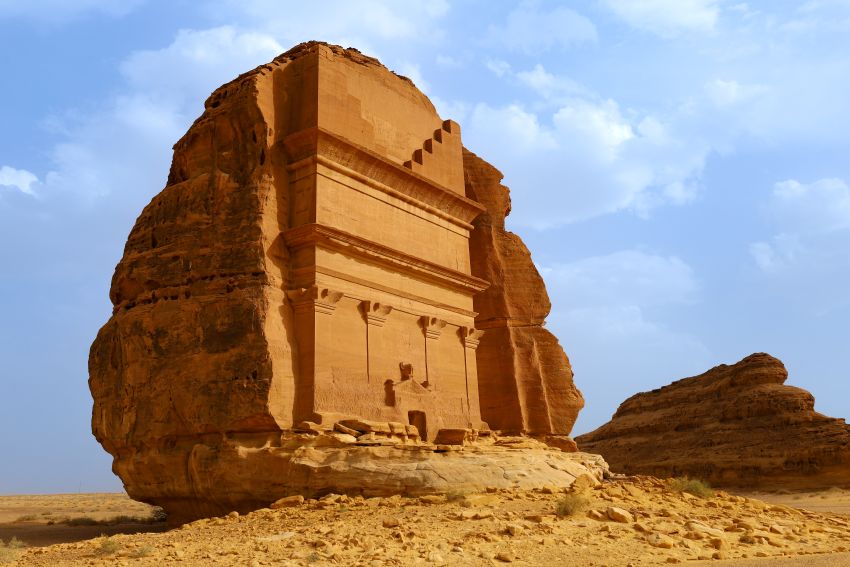
AlUla, home to the ancient Nabatean city of Hegra, also known as Mada’in Saleh, is another destination drawing large numbers of visitors. This UNESCO World Heritage site is home to monumental tombs and rock formations, which serve as a testament to the region’s rich cultural heritage. The area has recently seen significant investments, including the development of luxury resorts and infrastructure to enhance the visitor experience.
Historic Jeddah, known for its traditional coral stone buildings and vibrant cultural life, has also emerged as a key site in Saudi heritage tourism. Its strategic location as a gateway to the holy cities of Mecca and Medina makes it a popular stop for both religious pilgrims and leisure travelers. The city’s historical significance, combined with its vibrant markets and art scene, has made it a prime location for heritage tourism.
Cultural Events Driving Tourism Growth
The rise in tourism to Saudi Arabia’s heritage sites can be attributed to a variety of factors, including an increasing number of cultural events, seasonal festivals, and exhibitions. The Ministry of Culture has worked tirelessly to position these events as key drivers of tourism, offering international visitors opportunities to experience the Kingdom’s cultural vibrancy firsthand.
In 2024, several high-profile cultural festivals were held at iconic heritage sites. These events not only provide entertainment but also educate visitors on Saudi Arabia’s deep-rooted history, arts, and traditions. For example, the Winter at Tantora festival in AlUla, which has gained international acclaim, features performances by world-renowned artists, local crafts, and traditional music. These events, coupled with exhibitions showcasing Saudi art and culture, have contributed to a rise in cultural tourism across the country.
The increasing visibility of these events in the global tourism market has bolstered the Kingdom’s appeal as a heritage tourism destination, attracting travelers looking for authentic cultural experiences.
Saudi Vision 2030 and the Role of Heritage
The surge in heritage tourism is closely linked to Saudi Arabia’s Vision 2030, a strategic framework that aims to diversify the country’s economy and reduce its dependence on oil revenues. The Kingdom is focusing on its cultural and heritage sectors as key drivers of economic and social development.
Cultural tourism is recognized as a major pillar in Saudi Vision 2030, with the government committed to investing in the preservation and promotion of the country’s historical sites. The efforts to document, conserve, and promote these assets reflect the national strategy’s goal of positioning Saudi Arabia as a global leader in cultural tourism.
The Vision 2030 initiative aligns with the broader global trend of increasing interest in heritage tourism. As more people seek to connect with the rich history and cultural narratives of the destinations they visit, Saudi Arabia is positioning itself to become a premier cultural hub in the Middle East and beyond.
Conclusion: A Bright Future for Saudi Heritage Tourism
With 6.5 million visitors visiting its cultural sites during 2024, Saudi Arabia proved that it can effectively attract local and global visitors. Documenting and conserving its rich cultural heritage has proven worthwhile, as the marketing of its cultural tourist sites remains the core of the kingdom’s tourist strategy. As increasing numbers of visitors are attracted to the nation’s history sites, the kingdom’s dedication to conserving and marketing culture continues to promise a long-term and healthy heritage tourist sector.
References: Saudi Ministry of Culture, Heritage Commission of Saudi Arabia, National Register of Architectural Heritage


link